A routine practice system for Hong Kong service units aidology.co@gmail.com

Home / Service settings

How these units can use it, and where the boundary is.

The settings follow how Hong Kong services actually work: screening, the staff role, and records. They are planning examples, not an outcome report for any hospital or home.

The system includes the Tai Chi 12 forms, Baduanjin and Yijinjing. Whether standing practice is suitable is decided by the unit’s professionals. People who cannot stand safely should not be pressed to follow.

Hospital clinical departments

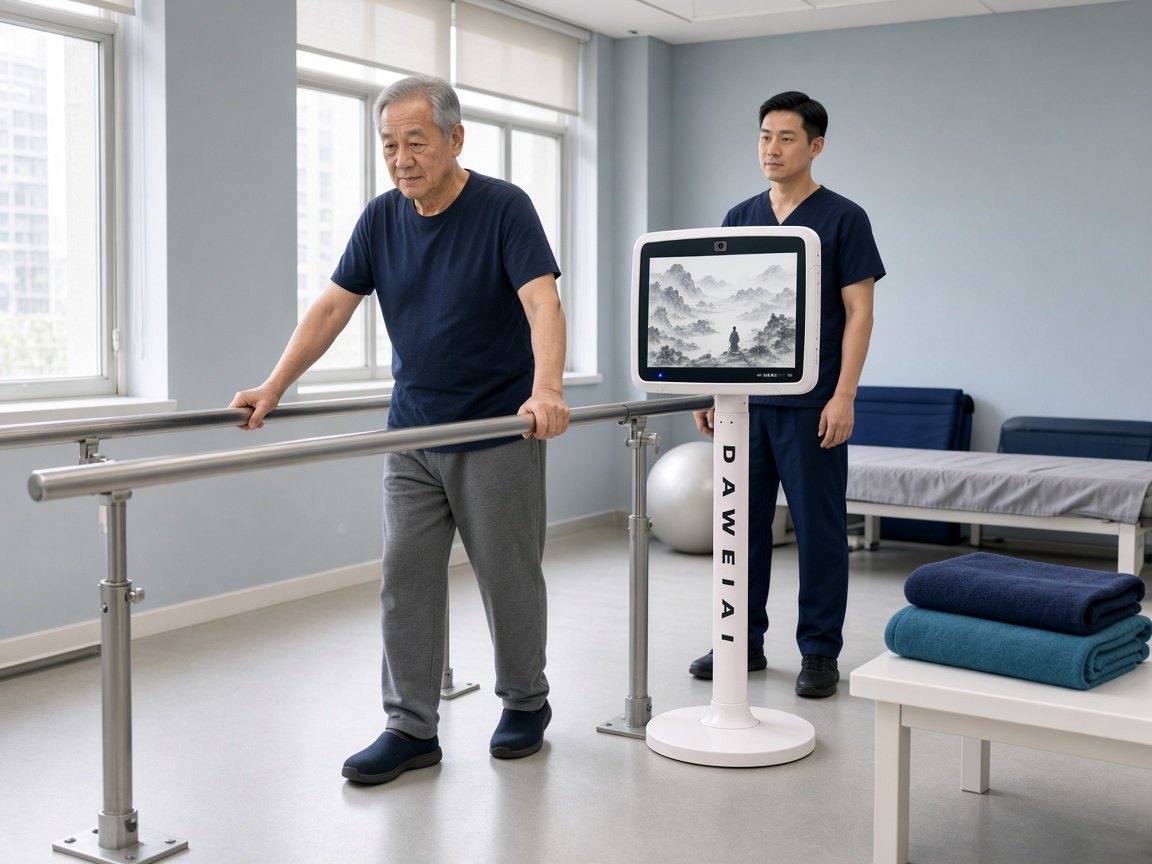
In a hospital physiotherapy room, an older adult practises beside parallel bars, with the white Tai Chi kiosk and a therapist nearby. Illustration.
Hospital Authority clinical department

Hospital physiotherapy

An older inpatient assessed as at risk of falls before discharge can join a balance group, but in one session it is hard to watch every person’s knee, step length and centre of mass through every movement. The therapist reviews the record, blood pressure, weight-bearing and walking aids first, then decides who may practise selected movements from a specified routine at the all-in-one, with the therapist present.

The system comments on posture and detail for that attempt. The therapist decides which observations go into the therapy record, and which movements are safe to practise at home after discharge. The Berg Balance Scale, the Timed Up and Go and other clinical tests stay with the therapist. A machine score is not a falls-risk grade.

These departments usually procure through the hospital. Applicants to the Innovation and Technology Fund are elderly and rehabilitation units in the Social Welfare Department system, not Hospital Authority clinical departments.
Hospital Authority clinical department

Hospital occupational therapy

Occupational therapy can connect turning, reach and weight shift to dressing, toileting and kitchen tasks. These routines are not an assessment of daily-living skills. If a therapist adopts the system, the movements should be the few that match that service user’s goals, not a demand to complete a full set.

People with upper-limb pain, hemispatial neglect, or a need for a great deal of verbal prompting need the standing time and the instructions adjusted first. System feedback cannot judge those clinical limits.

Primary healthcare

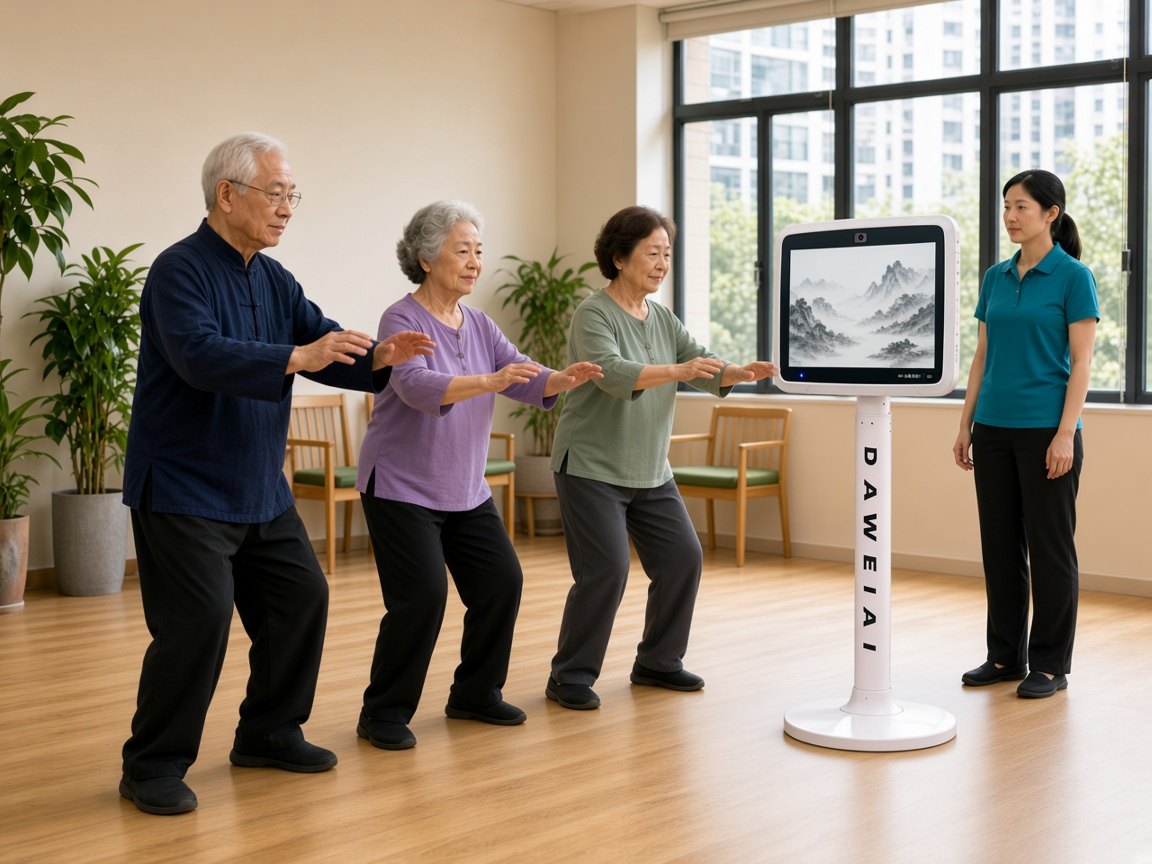
A Tai Chi group in an elderly centre faces the white Tai Chi kiosk, with staff nearby. Illustration.
Primary healthcare

District health centre

Exercise and chronic-disease self-management classes at a district health centre have a wide range of participants. Tai Chi can be a low- to moderate-intensity group that emphasises rhythm and range of movement. Heart-failure research associates Tai Chi with better quality of life, exercise self-confidence and mood, but six-minute walk distance and peak oxygen uptake are not always significantly different, so fitness-test numbers should not be promised.

Unstable chest pain, blood pressure or blood glucose should follow the centre’s existing screening. A district health centre is generally not an applicant to the Social Welfare Department fund. Equipment follows the centre’s own procurement.

Community and residential care

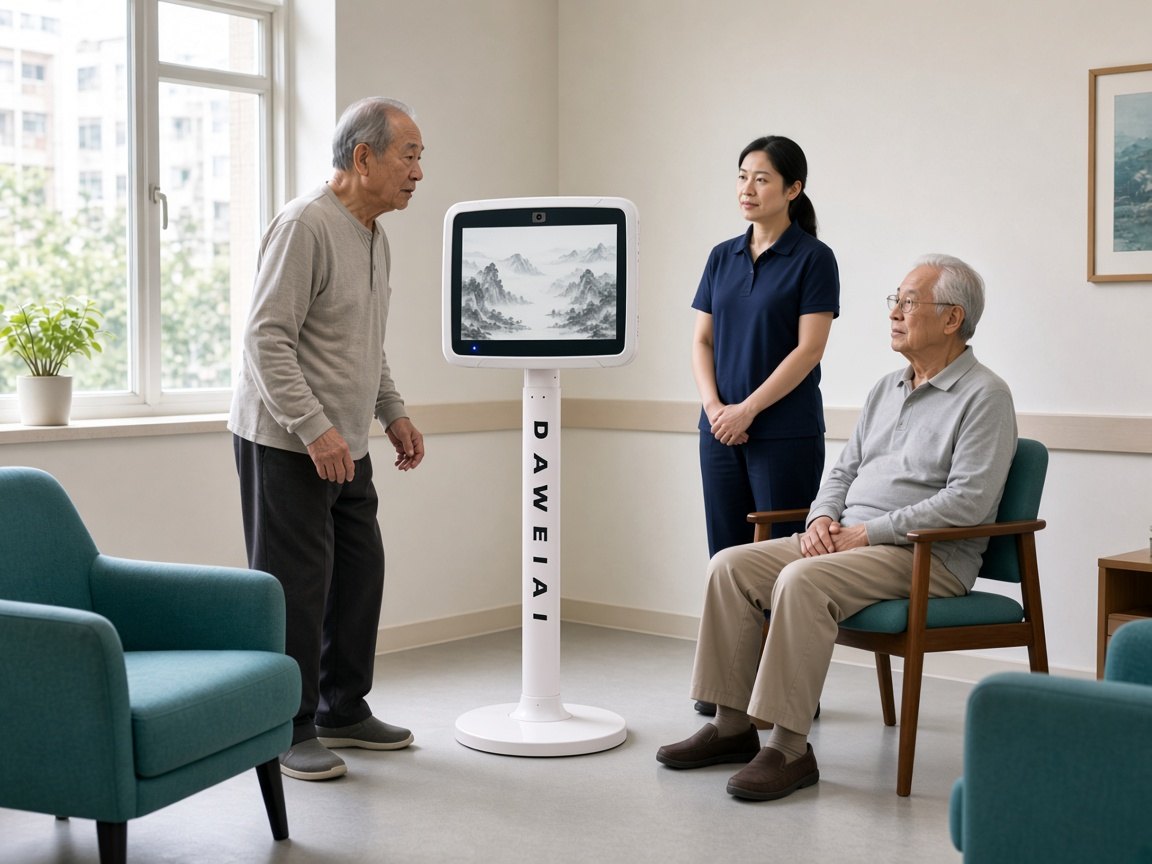
In a residential activity corner, staff and older adults gather around the white Tai Chi kiosk. Illustration.
DECC / NEC

District elderly community centres and neighbourhood elderly centres

Centres already run interest classes and health education. The system fits a falls-prevention, Tai Chi, Baduanjin or Yijinjing interest group, so the instructor and participants can see the centre of mass and the step, rather than only following a video. Each session should stay at a length people can finish, and groups should be split by ability to stand.

If the centre is a subvented community care and support service for older adults, it can look at procurement or rental when a fund tranche is open. Eligibility and that tranche follow the Department’s notice. The centre’s name alone is not automatic approval.

Day care

Day care centre for the elderly

Day-care participants differ widely in physical ability. Some use a walking aid or need staff support. Only people assessed as able to stand safely should join the Tai Chi 12 forms, Baduanjin or Yijinjing. Others continue their existing seated activities.

Staff record attendance, the movements completed, and any discomfort. Those records serve the care plan. They do not replace a nurse’s or therapist’s assessment.

C&A / contract home

Care-and-attention homes and contract homes

A home needs an activity that can sit on the weekly timetable and that staff know how to stop. Use a fixed activity room, clear the floor, and limit each session to the number of people staff can see. New residents, people who fell recently, or people whose medication has just changed should be decided by the nurse or the visiting therapist first.

Contract homes and subvented homes are residential categories listed in the fund manual. Non-subvented private homes depend on whether that tranche is open to them. Do not commit payment to a supplier before approval.

EHCCS / IHCS

Centre-based training for Enhanced Home and Community Care and Integrated Home Care

When a home-care case comes to the centre for a short session, time is limited. A routine should be split into a few movements, focused on weight shift, rather than chasing a full set every session. Staff should remember that there will be no machine to correct the person at home, so only movements a therapist considers safe should be taken home.

Lending the equipment for use at home is the fund’s home-lending arrangement. It needs assessment, training, transport, cleaning and a damage policy. That is different from placing one all-in-one in the centre.

Disability and mental health

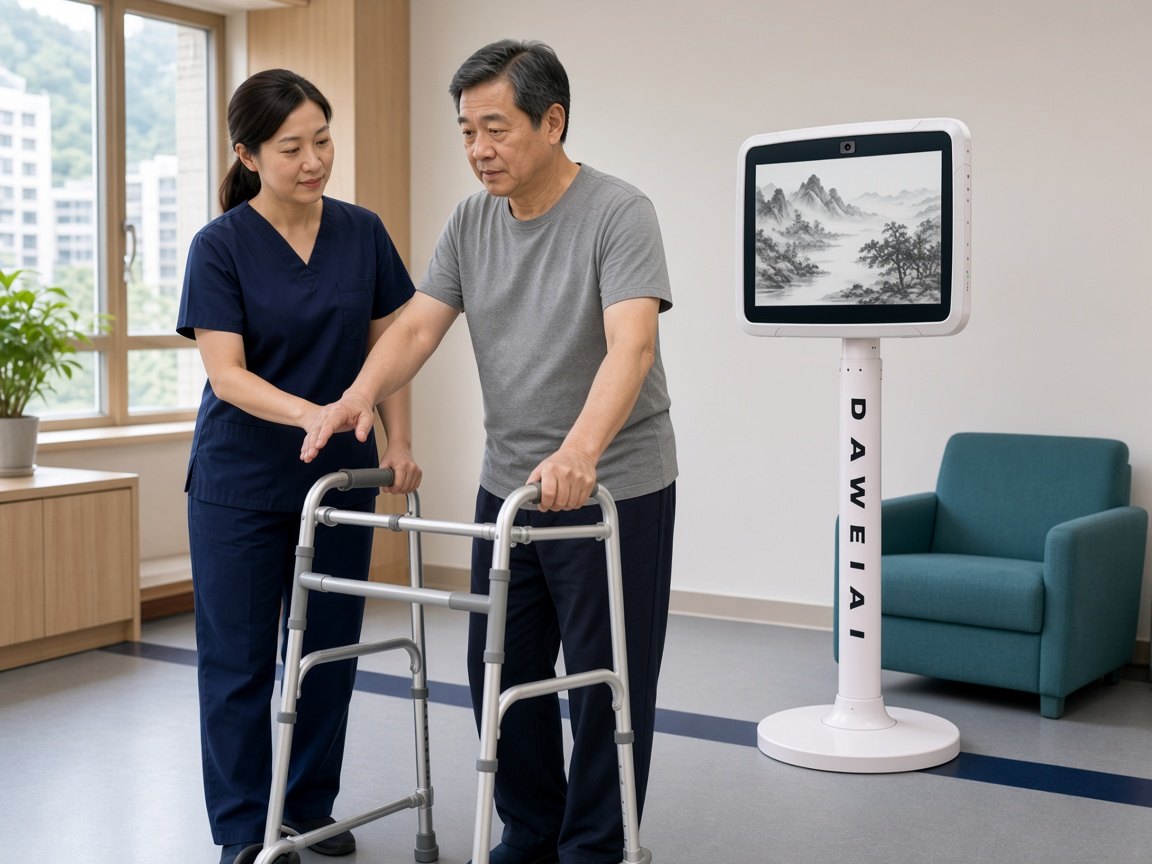
In a day rehabilitation room, a therapist practises with a person using a walking aid, beside the white Tai Chi kiosk. Illustration.
IVRC / ICRC

Integrated vocational rehabilitation and integrated community rehabilitation

Service users in vocational and community rehabilitation need structured, repeatable activity. The Tai Chi 12 forms, Baduanjin or Yijinjing can be part of a fitness and attention group, with the unit’s therapist or instructor choosing the movements. Feedback describes the movement only. It does not describe work capacity or degree of disability.

If this day or community rehabilitation service receives Social Welfare Department funding, it can look at the fund. Trial of a brand-new product that is not yet on the market is a different application, with a different ceiling and procedure, and the application cannot contain a research element.

DAC / HSMH

Day activity centres and hostels for severely mentally handicapped persons

Many service users cannot safely do standing Tai Chi. The system applies only to people assessed as able to stand and follow simple instructions. People who cannot stand should continue their existing sensory, seated or therapy activities. They should not be asked to stand in order to use the equipment.

There must be enough staff beside them. On-screen instructions cannot replace professional judgement about verbal prompts and physical assistance.

ICCMW

Integrated community centre for mental wellness

The centre can use Tai Chi or a related mind-body exercise as a group with a start and an end, to help members keep a daily rhythm. The health-qigong literature supports benefits on sleep and mood scales, but the group is not psychotherapy and it does not handle an acute mental-health crisis.

If a member shows self-harm, severe insomnia, or balance problems from medication side effects, the centre’s case and referral procedure applies. Movement feedback does not record mental state.

CASPD

Community rehabilitation day centre for persons with severe physical disabilities

People with severe physical disabilities often need individual posture, assistive devices and transfer technique. A standing routine may be used only after a therapist confirms weight-bearing and the method of protection, and often only a short section of the upper limb or the centre of mass. The touchscreen height and position must be reachable by both the user and the assistant. Do not assume everyone can operate it alone.

This is a high-risk setting. The equipment is a practice tool. Protection and transfers remain staff skills.

Carer support

A Tai Chi group in an elderly centre faces the white Tai Chi kiosk, with staff nearby. Illustration.
Carer support centre

Carer support centre

A carer group can use one short session so participants leave the caring role for a fixed time. The goal is attendance, completion and safety, not a promise to remove caring stress. If the participant is themselves a frail older adult, falls screening still applies.

If the centre is subvented community support, it can look at two different applications: home lending, or procurement for the centre. The organisation signs the form.

Book a demo